Smart Irrigation Systems in Agriculture
Introduction
Water is one of the most valuable resources in agriculture. As global food demand rises and climate patterns TG88 become more unpredictable, farmers are under increasing pressure to grow more crops with less water. Traditional irrigation methods often lead to water waste, uneven crop growth, and higher operating costs. This is where smart irrigation systems in agriculture are transforming the way farms manage water.
Smart irrigation uses technology such as sensors, weather data, automation, and data analytics to deliver the right amount of water to crops at the right time. By improving water efficiency and supporting healthier plant growth, smart irrigation systems help farmers increase productivity while reducing waste.
What Are Smart Irrigation Systems?
Smart irrigation systems are advanced watering solutions designed to optimize irrigation based on real-time field conditions. Unlike conventional irrigation systems that operate on fixed schedules, smart systems adjust watering based on soil moisture, weather forecasts, crop type, temperature, humidity, and other environmental factors.
These systems can be used in small farms, large commercial farms, greenhouses, orchards, vineyards, and open-field agriculture. They may include drip irrigation, sprinkler systems, center pivot irrigation, or micro-irrigation technologies controlled through automated software.
The main goal of smart irrigation in agriculture is to make water use more precise, efficient, and sustainable.
How Smart Irrigation Systems Work
Smart irrigation systems rely on a combination of hardware and software. Soil moisture sensors are placed in the field to measure how much water is available in the root zone. Weather stations or online weather data provide information about rainfall, temperature, wind speed, and evaporation rates.
This data is sent to a central controller or cloud-based platform. The system analyzes the information and determines whether irrigation is needed. If the soil is already moist or rain is expected, the system can delay watering. If crops need water, the system activates irrigation automatically.
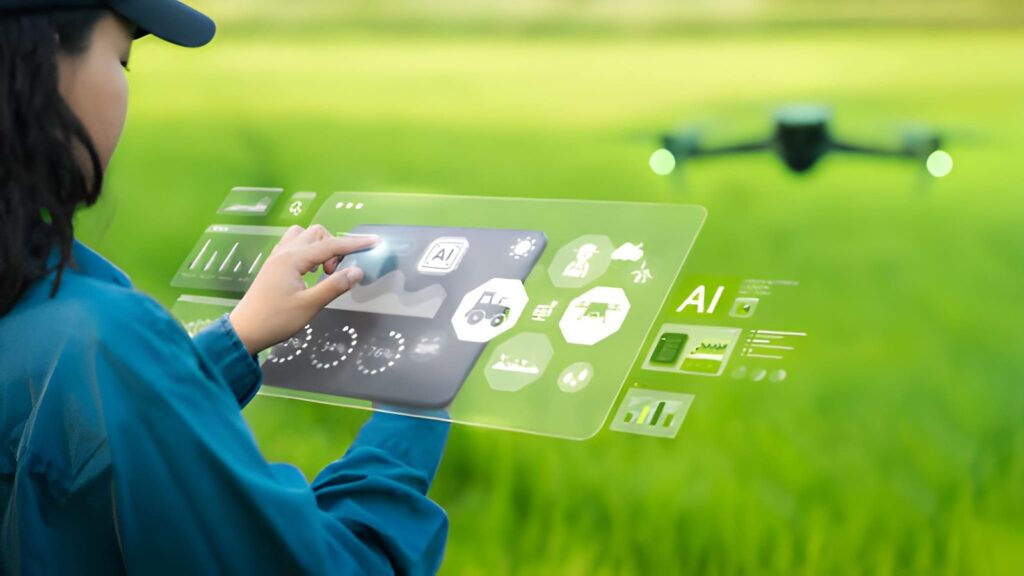
Many modern smart irrigation systems can be monitored and controlled through mobile apps or web dashboards. This allows farmers to manage irrigation remotely, receive alerts, and make better decisions based on accurate data.
Key Components of Smart Irrigation Technology
Soil Moisture Sensors
Soil moisture sensors are among the most important parts of a smart irrigation system. They measure the water content in the soil and help prevent overwatering or underwatering. By focusing on the actual needs of plants, these sensors improve crop health and reduce unnecessary water use.
Weather-Based Controllers
Weather-based irrigation controllers use local weather data to adjust irrigation schedules. They consider factors such as rainfall, temperature, solar radiation, and humidity. This helps farmers avoid watering during or after rain and supports more accurate water management.
Automated Valves and Controllers
Automated valves control the flow of water to different zones in the field. They can be programmed to irrigate specific areas based on crop needs and soil conditions. This is especially useful for farms with multiple crop types or varied soil textures.
Remote Monitoring Software
Remote monitoring platforms allow farmers to access irrigation data from smartphones, tablets, or computers. These platforms often include charts, alerts, water usage reports, and recommendations. This makes farm management easier and more efficient.
Benefits of Smart Irrigation Systems in Agriculture
Improved Water Conservation
One of the biggest advantages of smart irrigation systems is water conservation. Agriculture accounts for a large share of global freshwater use, and inefficient irrigation can waste significant amounts of water. Smart systems reduce waste by watering only when and where it is needed.
Higher Crop Yields
Proper irrigation is essential for healthy crop growth. Too little water can stress plants, while too much water can cause root disease and nutrient loss. Smart irrigation helps maintain ideal soil moisture levels, which can improve crop quality and increase yields.
Lower Operating Costs
Although smart irrigation systems require an initial investment, they can reduce long-term costs. Farmers save money by using less water, reducing energy consumption, and lowering labor requirements. Automated systems also reduce the time spent manually checking fields and adjusting irrigation equipment.
Better Fertilizer Efficiency
Smart irrigation can also support fertigation, which is the process of delivering fertilizers through irrigation water. By controlling water flow precisely, farmers can apply nutrients more efficiently. This reduces fertilizer waste, improves nutrient uptake, and minimizes environmental pollution.
Reduced Environmental Impact
Over-irrigation can lead to soil erosion, waterlogging, and chemical runoff into rivers and groundwater. Smart irrigation systems help reduce these risks by improving water control. As a result, they support sustainable agriculture and protect natural ecosystems.
Smart Irrigation and Precision Agriculture
Smart irrigation is a key part of precision agriculture. Precision agriculture uses data and technology to manage farming practices more accurately. Instead of treating an entire field the same way, farmers can apply water, fertilizers, and other inputs based on specific field conditions.
For example, one section of a field may have sandy soil that dries quickly, while another section may have clay soil that holds moisture longer. A smart irrigation system can treat each area differently, improving efficiency and reducing waste.
When combined with drones, satellite imagery, GPS mapping, and farm management software, smart irrigation becomes even more powerful. These tools help farmers identify crop stress, detect irrigation problems, and plan better water management strategies.
Challenges of Adopting Smart Irrigation
Despite the many benefits, there are some challenges to adopting smart irrigation systems in agriculture. The initial cost of sensors, controllers, software, and installation can be a barrier for small farmers. Some systems also require technical knowledge to operate and maintain.
Connectivity can be another issue in rural areas where internet access is limited. Smart irrigation systems that rely on cloud platforms may need stable networks to function effectively. However, many companies are developing offline and low-connectivity solutions to make the technology more accessible.
Training and support are also important. Farmers need to understand how to interpret data and adjust systems for different crops, seasons, and soil types.
Future of Smart Irrigation in Agriculture
The future of smart irrigation looks promising. As technology becomes more affordable, more farmers are expected to adopt automated irrigation solutions. Artificial intelligence and machine learning will make systems even smarter by predicting crop water needs and identifying problems before they become serious.
Solar-powered irrigation controllers, wireless sensor networks, and Internet of Things devices will continue to improve efficiency. Governments and agricultural organizations may also support smart irrigation through incentives, training programs, and water conservation policies.
In areas affected by drought and water scarcity, smart irrigation systems will play a critical role in maintaining food production and protecting water resources.
Conclusion
Smart irrigation systems in agriculture are changing the future of farming. By using sensors, automation, weather data, and remote monitoring, these systems help farmers use water more efficiently and improve crop performance. They reduce waste, lower costs, support sustainable agriculture, and increase resilience against climate challenges.
As water scarcity becomes a growing concern, smart irrigation technology is no longer just an option—it is becoming Đăng ký TG88 a necessity. Farmers who invest in smart irrigation systems can improve productivity, protect the environment, and build a more sustainable future for agriculture.
Leave a Reply